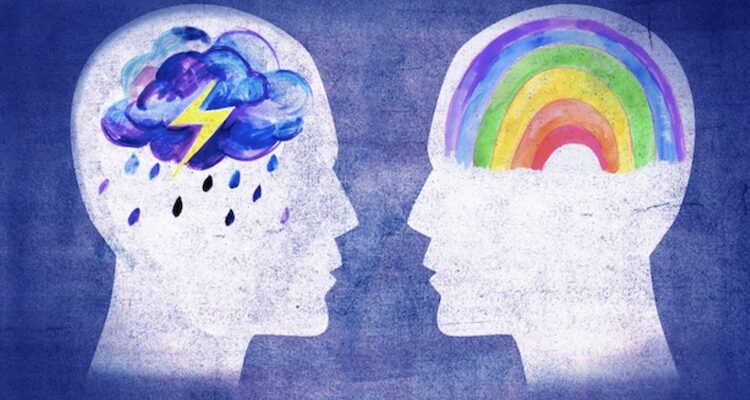
Internal Family Systems (IFS), also known as “parts work”, is a mindfulness-based approach to self-acceptance and somatic awareness. IFS helps people navigate competition and life with the 8 Cs: confidence, calm, compassion, courage, creativity, clarity, curiosity, and connection. IFS has proven to be highly effective for quieting the inner-critic, resolving inner conflicts, and slowing emotional reactivity.
[Read more…] about What does it mean to take an Internal Family Systems (IFS) Approach?How to Bounce Back from Adversity in Sports
To learn how to overcome defeat and bounce back from adversity in sports, it can be helpful to look back through history at the greatest athletes of all time.
History is full of stories about athletes that have been cut from teams, experienced heartbreaking losses, and devastating injuries. However because the focus is usually on the career highlights of the winners, the heroic stories of their persevering journeys are often missed.
[Read more…] about How to Bounce Back from Adversity in SportsHow to Stop Negative Self-Talk
Self-talk is one of the most powerful predictors of an athlete’s behavior and performance under pressure. How you speak to yourself matters. Self-talk impacts your emotions, behavior, and relationships. Developing awareness and control over your self-talk in pressure situations is an absolutely vital step on your path to optimal performance.
[Read more…] about How to Stop Negative Self-TalkUnderstand How Your Attachment Style Impacts Your Relationships
History of Attachment Theory
Attachment theory was first coined by a British psychologist and psychoanalyst named John Bowlby in the 1950s. Bowlby studied the emotional, developmental, and cognitive impact of separation between infants and their primary caregivers. According to Bowlby’s theory, children look to their primary caregivers when they are in need and how the caregiver response impacts their child’s emotional development.
[Read more…] about Understand How Your Attachment Style Impacts Your RelationshipsThe Power of Gratitude in Sport
What is Gratitude?
The impact of gratitude in sport is often overlooked by players and coaches. Gratitude is so much more than just a temporary feel-good emotion in response to counting your blessings. Gratitude has the potential to be a consistent character trait developed with intentionality over the course of a season or a lifetime.
The term gratitude comes from the Latin word “gratia” which means thankfulness or gratefulness . “The gratitude muscle is like any other muscle, in that it must be flexed periodically to remain strong”. The key takeaway here is that you can cultivate gratitude and become a more grateful person, athlete, and teammate by treating gratitude like a skill you train in your sport. In other words, the more you practice gratitude, the more naturally and consistently it will come to you.
[Read more…] about The Power of Gratitude in SportThe difference between superstition, rituals, and routines
Athletes, coaches and sport fans often mistake the difference between superstition, rituals and routines. If you’ve ever watched Rafael Nadal serve, you’ve probably noticed his methodical repertoire of hand gestures and movements. From touching the back and front of his shorts, then his shoulders, nose, ears, and eventually his thighs. In his autobiography, Nadal writes, “Some call it superstition, but it’s not. If it were superstition, why would I keep doing the same thing over and over whether I win or lose? It’s a way of placing myself in a match, ordering my surroundings to match the order I seek in my head.” In sports it is critical for athletes and coaches to understand and distinguish the difference between superstitions, rituals, and routines.
[Read more…] about The difference between superstition, rituals, and routines